Events bring people together, but not every event creates an experience that feels welcoming to all. Audiences are more diverse than ever, with different backgrounds, abilities and expectations shaping how they engage.
Creating an inclusive event is about recognising these differences and planning in a way that allows everyone to take part comfortably. When done well, it leads to stronger engagement, better conversations and a more positive experience for every attendee.
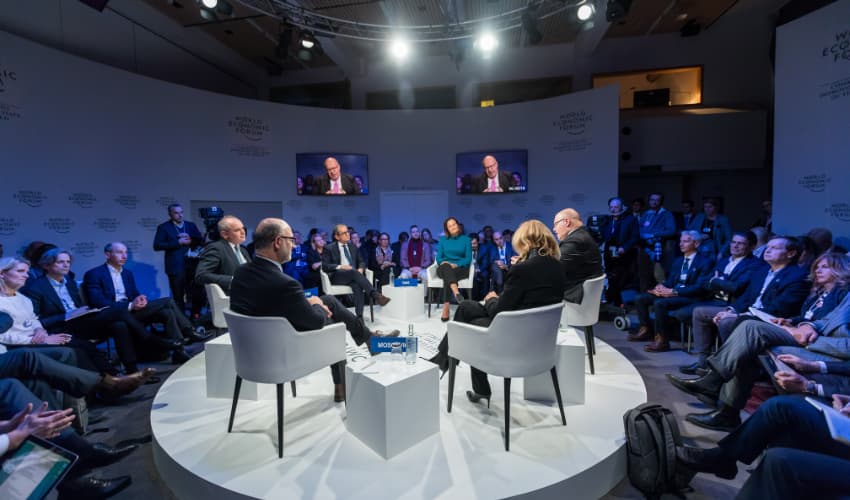
Inclusive Events
Inclusivity in events goes beyond accessibility alone. It involves designing an experience that considers a wide range of needs, from physical access to communication and representation.
An inclusive event allows attendees to participate in ways that suit them. It removes unnecessary barriers and creates an environment where people feel respected, valued and able to contribute.
This can include:
- Physical access, such as mobility and layout
- Sensory considerations such as noise and lighting
- Communication needs, including language and clarity
- Cultural awareness and representation
- Financial accessibility
Taking all of these into account creates a more complete and thoughtful event experience.
Benefits For Event Organisers
Focusing on inclusivity strengthens the overall quality of your event and supports success.
You can expect:
- Broader audience reach and improved attendance
- More varied perspectives and discussions
- Higher levels of engagement and participation
- Stronger reputation and brand perception
- Better feedback and repeat attendance
A diverse audience often leads to more meaningful conversations and fresh ideas, which can elevate the entire event.
Improving Inclusivity
Creating a more inclusive event does not require a complete overhaul. Small, thoughtful changes can have a noticeable impact.
Speaker Diversity
A varied speaker lineup helps reflect the diversity of your audience.
Aim to include speakers from different backgrounds, industries and experiences. This not only creates more interesting discussions but also helps attendees see themselves represented.
It is equally important to ensure that diversity runs throughout the programme, rather than being limited to a single session.
Inclusive Language
Language shapes how people feel within a space.
Using clear, neutral language helps ensure your message is accessible to everyone. This applies to marketing materials, presentations and on-site communication.
Encourage speakers and hosts to be mindful of their wording so that all attendees feel included and respected.
Venue Accessibility
The choice of venue plays a major role in inclusivity.
Look for spaces that offer:
- Step free access and lifts where required
- Accessible toilets and facilities
- Clear signage throughout the venue
- Enough space for easy movement, including wheelchair users
- Comfortable seating arrangements with good visibility
You can also use this simple checklist when reviewing a venue:
- Entrance access from parking or public transport
- Lift access to all event spaces
- Space between tables and seating
- Availability of quiet or breakout areas
- Staff support available on the day
A considerate layout makes it easier for attendees to move around and engage with different areas of the event.
Catering For All Needs
Food and drink choices should reflect a range of dietary requirements.
Providing options such as vegetarian, vegan, gluten-free and dairy-free ensures that more attendees feel catered for. Including non alcoholic drinks is also important for those who do not consume alcohol.
Clear labelling helps guests make informed choices with confidence.
Flexible Participation Options
Not everyone engages in the same way, and recognising this can improve participation across your event.
Some attendees may prefer to observe before taking part, while others may feel more comfortable interacting digitally rather than speaking in front of a group.
Offering a mix of participation methods helps accommodate different preferences. Tools such as Slido or Mentimeter allow attendees to submit questions or responses in ways that suit them, helping increase overall engagement.
Inclusive Pricing and Access
Cost can be a barrier for many potential attendees.
Offering flexible options can help widen access, such as:
- Tiered ticket pricing
- Early booking discounts
- Group or community rates
- Flexible payment options
- A limited number of supported or subsidised places
These approaches help make your event more accessible without reducing its value.
Wider Marketing Reach
Reaching a more diverse audience often requires a broader approach to promotion.
This may involve:
- Sharing your event across different platforms and communities
- Partnering with organisations or networks
- Tailoring messaging to appeal to a wider audience
A more inclusive marketing approach helps attract attendees who may not have engaged with your events previously.
Staff Awareness and Support
Inclusivity does not stop at planning. Your event team plays an important role in delivering a welcoming experience.
Make sure staff are:
- Briefed on inclusivity goals and expectations
- Aware of available facilities and support options
- Approachable and ready to assist attendees
- Prepared to handle questions or requests respectfully
An informed team helps ensure that inclusivity is reflected in every interaction.
Planning
Inclusivity should be built into your planning process from the start rather than added later.
It helps to think in terms of the full attendee journey:
Before the event
Clear communication, accessible booking processes and inclusive marketing
During the event
Easy navigation, comfortable spaces and multiple ways to participate
After the event
Opportunities to provide feedback and stay engaged
Reviewing each stage helps identify areas for improvement.
Learning and Improving
No event will meet every need perfectly, and that is part of the process.
Gathering feedback is essential for improvement. Tools such as SurveyMonkey or Google Forms can help you understand where your event worked well and where adjustments are needed.
Being open to feedback and willing to adapt will help you create more inclusive events over time.
Creating Spaces That Welcome Everyone
Inclusivity is an ongoing commitment to creating better experiences for your audience.
The right tools, thoughtful planning and environment all play a part. When these elements work together, attendees feel more comfortable, more engaged and more likely to take part.
At BE Event Hire, we support events of all sizes across the UK with reliable furniture hire that helps create practical, comfortable spaces. From conferences and exhibitions to weddings and private functions, our range allows you to build layouts that support accessibility and interaction.
If you are planning an event and want to create a space that works for everyone, our team is ready to help with flexible hire options and practical advice.
Related Articles
- Hiring Event Furniture For Large Events
- Chair Quantities For Seated Events
- Plan Event Furniture Layouts For Large Events
- Taking Your Event Registration Online in 2026
- Guide To Choosing Audience Engagement Tools For Your Event
Prefer an AI Summary?