Exhibiting at a trade show gives businesses direct access to potential customers, industry contacts and decision makers, but securing exhibition space is only the beginning. The success of your attendance depends on the planning behind your stand, the experience you create for visitors and the way your team manages opportunities throughout the event.
Exhibition costs can quickly mount up. Stand space, graphics, furniture hire, transport, accommodation and staffing all require investment, yet relatively small oversights can undermine the results. A poorly positioned display, insufficient meeting space or a delivery arriving outside the permitted access window can create problems that are difficult to resolve once the exhibition opens.
Whether you are preparing for your first trade show or returning to an established industry exhibition, avoiding these exhibition planning mistakes will help you make better use of your budget, attract relevant visitors and turn conversations into commercial opportunities.
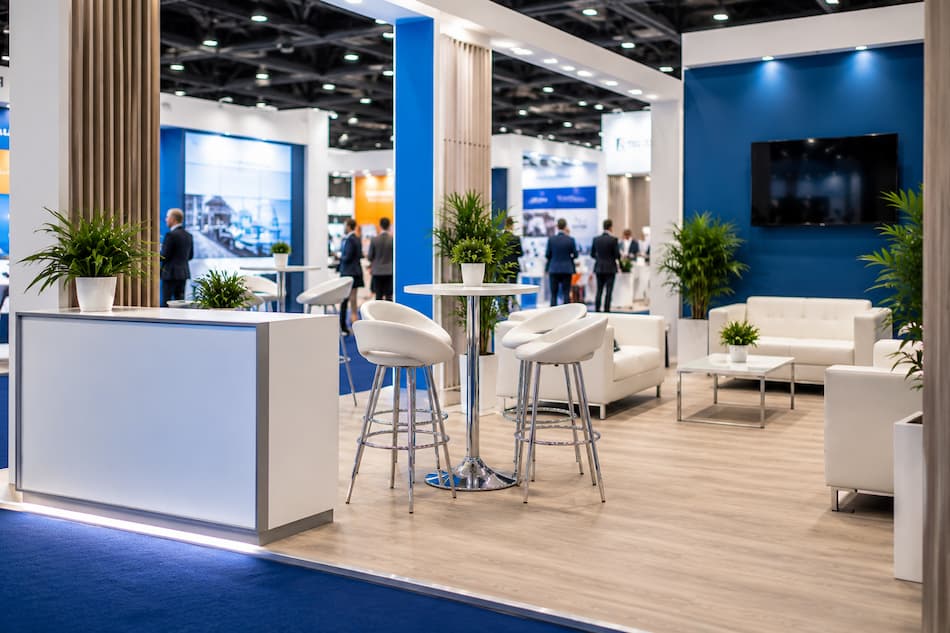
1. Booking Exhibition Space Without Researching The Audience
A busy exhibition hall does not necessarily mean a successful event for your business. Visitor numbers are useful, but the people attending and their reasons for visiting are far more important.
Before booking your stand, request information about previous attendance, including industry sectors, job roles, purchasing responsibilities and geographical reach. An exhibition attracting thousands of visitors may offer limited commercial value if relatively few have an interest in your products or services.
Look at the companies that have exhibited previously, the businesses returning this year and the subjects covered in the seminar programme. These details provide a clearer picture of the audience and the opportunities available.
For businesses attending their first exhibition, our trade show tips for first-time exhibitors cover the wider preparation process, from selecting an event to measuring results afterwards.
2. Choosing A Stand Location Based Entirely On Price
Stand position influences the number of people passing your exhibition space, the direction visitors approach from and the opportunities available to attract attention.
A less expensive stand tucked into a quiet corner may appear attractive during budgeting, but reduced visibility could limit the number of conversations your team has throughout the event.
Review the exhibition floor plan carefully. Main walkways, entrances, catering areas and seminar theatres can generate substantial footfall, although the busiest positions are not automatically the most suitable.
A business demonstrating specialist equipment may benefit from a position with sufficient space for visitors to gather, while a company arranging private consultations might prefer somewhere away from the busiest thoroughfares.
Pay attention to neighbouring stands, structural pillars, emergency exits and any restrictions affecting signage or stand construction. These details can influence the layout long before furniture and displays arrive.
3. Overcrowding The Exhibition Stand
Trying to display every product, brochure and promotional message can leave an exhibition stand looking cluttered and difficult to navigate.
Visitors should be able to identify your business and understand its main offering without having to study several competing displays. Too much information can make the stand harder to approach, particularly if products and furniture obstruct the entrance.
Give priority to the products or services most relevant to the exhibition audience. Use clear graphics, carefully positioned demonstrations and a straightforward layout that allows visitors to move comfortably.
Furniture should support the stand rather than dominate it. A compact exhibition furniture hire arrangement can provide space for conversations without sacrificing valuable display areas.
Keep the entrance open wherever possible and avoid placing tables directly across the front of the stand. Visitors are generally more inclined to approach a space that feels accessible rather than one that requires them to step around obstacles.
4. Choosing Furniture Without Thinking About Its Purpose
Exhibition furniture is sometimes treated as a final addition to stand planning, yet it directly affects the way visitors interact with your business.
A stand designed for quick product demonstrations requires a different arrangement from one intended for detailed consultations or scheduled meetings.
For example, poseur tables provide convenient surfaces for brief discussions, while café tables and chairs offer a more comfortable setting for conversations that may last twenty minutes or longer.
Reception counters establish a defined welcome point, and lounge seating can provide a suitable hospitality area for existing clients or prospective customers.
The following table illustrates the practical differences.
| Exhibition Furniture | Suitable Application | Planning Mistake To Avoid |
|---|---|---|
| Reception Counter | Visitor welcome point and literature distribution | Positioning the counter across the stand entrance |
| Poseur Tables | Brief discussions and informal networking | Using too many tables and restricting circulation |
| Bar Stools | Seated conversations at raised tables | Choosing seating that does not match the table height |
| Café Tables and Chairs | Customer consultations and scheduled meetings | Allowing insufficient space around occupied chairs |
| Lounge Seating | Client hospitality and longer discussions | Installing oversized furniture in a compact stand |
| Display Furniture | Presenting products and promotional materials | Obstructing important graphics or demonstration areas |
| Storage Furniture | Keeping literature, stock and personal belongings organised | Leaving packaging and spare materials visible to visitors |
The furniture arrangement should be agreed during the design stage, with sufficient space allowed for people to sit, stand and move between displays.
5. Leaving Deliveries and Installation Until The Last Minute
Exhibition venues operate strict schedules for deliveries, unloading, stand construction and dismantling. Missing an allocated delivery window can disrupt the entire installation process.
Major event venues such as the NEC Birmingham, ExCeL London and Manchester Central frequently host exhibitions involving hundreds of exhibitors and numerous suppliers. Access arrangements, loading facilities and vehicle procedures vary between venues and individual events.
Before confirming deliveries, establish the permitted access dates, vehicle requirements, unloading arrangements and any restrictions imposed by the organiser.
Furniture suppliers should receive accurate information about the venue, exhibition hall, stand number and installation schedule.
The exhibition organiser’s checklist provides further guidance on coordinating the practical arrangements involved in an exhibition.
Leaving adequate time between furniture delivery and the opening of the event also allows staff to inspect the stand, position displays and resolve any outstanding issues.
6. Using Graphics That Are Difficult To Read
Exhibition graphics must communicate quickly. Visitors walking through a busy hall are unlikely to stop and examine lengthy paragraphs or complicated product descriptions.
Small lettering, excessive text and poor colour contrast can make otherwise attractive displays ineffective.
Your company name, main offering and principal message should be visible from the surrounding walkway. Supporting information can be provided through brochures, digital presentations or conversations with staff.
Think about viewing distances as well as the position of furniture and products. A display that looks perfectly readable during design approval may become obscured once a reception counter, shelving unit or demonstration area is installed.
Brand consistency also matters. Signage, brochures, presentation screens and promotional materials should share a recognisable visual identity without repeating identical information across every surface.
7. Failing To Prepare The Exhibition Team
An impressive exhibition stand cannot compensate for staff who are uncertain about their responsibilities or unable to engage visitors effectively.
Every team member should understand the purpose of attending, the products or services being promoted and the type of enquiries the business hopes to attract.
Assign responsibilities before the exhibition begins. Some staff may focus on demonstrations, others on customer meetings, while another person manages appointments and visitor information.
Avoid having several employees gathered behind a counter or seated together while visitors pass. Equally, staff should not feel obliged to approach every person walking nearby.
A friendly greeting followed by a relevant question is usually more productive than immediately delivering a lengthy sales pitch.
Arrange breaks so the stand remains adequately staffed throughout the day, particularly during busy periods and scheduled demonstrations.
8. Relying On Promotional Giveaways To Attract Visitors
Promotional products can support brand recognition, but distributing large quantities of inexpensive merchandise does not necessarily generate worthwhile enquiries.
Visitors may collect pens, tote bags and other gifts without showing any interest in the company providing them.
Before ordering promotional items, establish their purpose. Are they intended to attract attention, reward visitors attending a demonstration or provide something useful to prospective customers?
Choose products that reflect your business and are relevant to the audience. A practical item distributed after a meaningful conversation may have greater value than hundreds of gifts handed to passing visitors.
Giveaways should complement the exhibition experience rather than become the main reason people approach your stand.
9. Neglecting Marketing Before The Exhibition
Relying entirely on passing visitors means overlooking opportunities to arrange meetings before the event begins.
Exhibitions bring together businesses that may already be familiar with your company, including existing customers, previous enquiries and potential partners.
Contact these audiences in advance and let them know where your stand will be located. Invite relevant contacts to arrange appointments, attend demonstrations or discuss upcoming projects.
Email campaigns, LinkedIn posts, website announcements and the organiser’s exhibitor directory can all help promote your attendance.
Provide the stand number, exhibition dates and a clear reason to visit. A specific invitation to see a product demonstration or discuss a new service is more persuasive than a general announcement that your business will be exhibiting.
10. Forgetting About Storage and Staff Facilities
Storage is frequently overlooked during exhibition planning, particularly on smaller stands where every square metre is allocated to displays or seating.
Yet staff still need somewhere to keep coats, bags, refreshments, spare literature, packaging and personal belongings.
Without suitable storage, these items can quickly accumulate behind counters, beneath tables or in areas visible to visitors.
Plan storage requirements alongside the furniture layout. Cupboards, concealed shelving or a dedicated storage area can help maintain a tidy appearance throughout the exhibition.
Staff facilities also deserve attention. Access to drinking water, refreshments and scheduled breaks helps employees remain attentive during long exhibition days.
11. Collecting Contacts Without a Follow-Up Process
A successful exhibition should generate opportunities that continue after the event closes.
Collecting business cards or scanning visitor badges is only useful if the information can be acted upon afterwards.
Agree on a process for recording enquiries before the exhibition begins. Alongside contact details, capture the visitor’s area of interest, purchasing requirements, timescale and any action promised during the conversation.
Where appropriate, arrange the next meeting while the visitor is still at your stand.
Make sure personal information is collected and used in accordance with UK data protection requirements, particularly if details will be added to future marketing campaigns.
Following up promptly with relevant information demonstrates that the conversation was worthwhile and gives potential customers a clear next step.
12. Treating Every Exhibition As An Isolated Event
Exhibitions provide valuable information about your customers, competitors and the wider market, even if immediate sales are not the primary objective.
Failing to review the results means losing much of that value.
Once the exhibition has finished, assess the number of relevant enquiries, meetings arranged, quotations requested and opportunities progressing towards a sale.
Review the practical arrangements as well. Did the stand attract visitors? Was the furniture suitable? Did the team have sufficient space to work? Were deliveries completed within the agreed schedule?
Record improvements while the experience remains fresh. These findings can inform the stand design, staffing, budget and marketing activity for future exhibitions.
Businesses exhibiting regularly can also benefit from reviewing furniture requirements across several events rather than making entirely separate arrangements each time.
Preparing For A Successful Exhibition
Avoiding exhibition planning mistakes requires more than a final checklist before the doors open. The decisions made during the early stages influence the appearance of the stand, the comfort of visitors and the ability of staff to make productive use of their time.
An organised exhibition space should be easy to approach, straightforward to navigate and equipped for the conversations your business wants to have. Displays need to communicate clearly, furniture should serve a practical purpose, and deliveries must fit within the venue’s operating schedule.
For businesses returning to exhibitions throughout the year, establishing a reliable planning process also reduces unnecessary work and allows each event to build on the experience of the previous one.
Exhibition Furniture Hire From BE Event Hire
BE Event Hire supplies furniture for trade shows, exhibitions and conferences throughout the UK, supporting individual exhibitors, exhibition organisers and businesses requiring substantial quantities of matching furniture.
Our exhibition furniture hire service provides practical options for visitor seating, meeting areas, reception points, product displays and hospitality spaces.
With extensive furniture stock, nationwide delivery and experience supplying major UK exhibition venues, we can help coordinate furniture requirements around your stand layout, installation schedule and event dates.
Whether you need a few tables and chairs for a compact exhibition stand or furniture for an entire exhibition hall, contact BE Event Hire for a free, no-obligation quotation.
Related Articles
- Trade Show Tips for First Time Exhibitors
- Attending Your First Exhibition
- Event Branding Ideas For Hybrid and Live Events
- Exhibition Furniture Hire
- Unusual Trade Show Location & Furniture Hire for Hillhead
Prefer an AI Summary?