Getting chair quantities right improves comfort, safety and event flow. Ordering too few causes disruption, while ordering too many can block aisles and reduce usable space. This guide explains how to calculate chair quantities for seated events using guest numbers, seating styles, table sizes and spacing guidelines.
Chair Planning
Chair planning affects access routes, setup time and the overall feel of the space. Poor planning often leads to blocked aisles, crowded layouts, and last-minute hiring changes that could have been avoided.
Guest Numbers and Allowance
Guest count is the starting point, but it should not be the final number used for chair hire. Many events also need chairs for speakers, staff and suppliers.
A sensible allowance helps cover unexpected attendees, layout changes and damaged chairs. A general rule of thumb is to add an extra 5 to 10 per cent above the expected guest count.
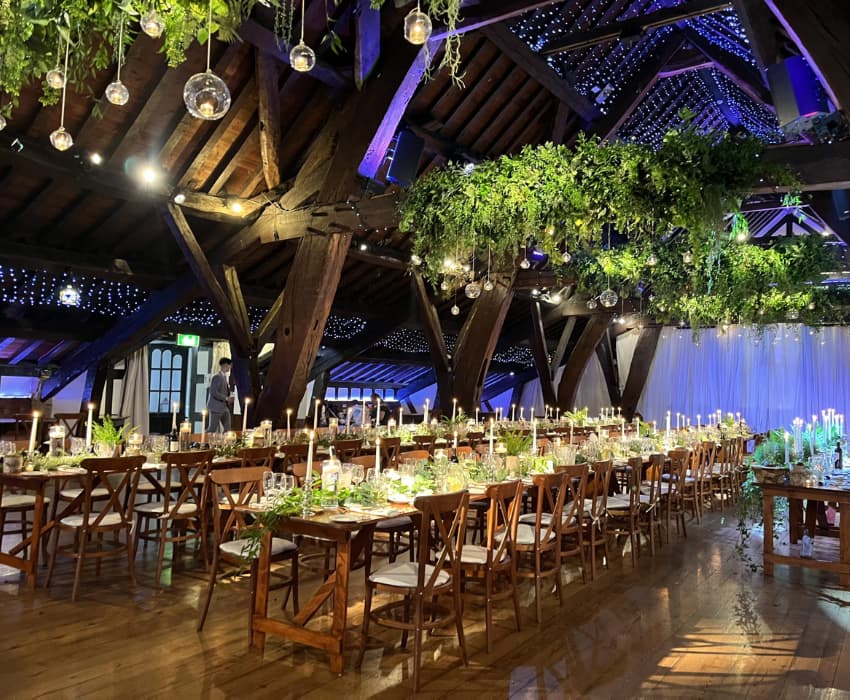
Measuring Usable Floor Space
Chair hire quantities are often limited by space rather than attendance. Start by measuring the room’s length and width to calculate the total floor area.
Subtract space needed for stages, dance floors, bars, catering points, AV equipment and registration areas. Once fixed areas are removed, plan access routes before placing any chairs. The remaining space determines how many chairs can be seated comfortably.
Seating Styles and Space Per Person
Different seating layouts require different amounts of space per person.
| Seating Style | Typical Use | Space Per Person |
|---|---|---|
| Theatre Style | Ceremonies, talks, presentations | 6 to 8 sq ft |
| Banquet Style | Dinners, weddings, awards | 11 to 12 sq ft |
| Classroom Style | Training, exams, workshops | 14 to 18 sq ft |
Theatre layouts are commonly set out using stacking chairs or linking chairs to keep rows neat. Dining events typically use banqueting chairs, while classroom layouts often suit folding chairs for flexibility.
Table Sizes and Seating Capacity
If your event uses tables, table size is one of the quickest ways to estimate chair quantities.
| Table Type | Table Size | Comfortable Seating | Higher Density Seating |
|---|---|---|---|
| Round | 5 ft (60 inch) | 8 | Up to 10 |
| Round | 6 ft (72 inch) | 10 | Up to 12 |
| Rectangular | 6 ft | 6 | Up to 8 |
| Rectangular | 8 ft | 8 | Up to 10 |
| Crescent | 5 ft | 4 to 6 | Not recommended |
Higher-density seating may suit short sessions, but often reduces comfort for longer events and seated meals.
Theatre Rows and Ceremony Layouts
Rows are commonly used for ceremonies and presentations and require careful spacing.
| Layout Detail | Guideline |
|---|---|
| Chairs per row | 8 to 12 |
| Maximum chairs per row | 15 |
| One aisle only | 7 to 8 chairs |
| Row spacing | 36 to 48 inches back to back |
Linking chairs helps keep rows straight and maintain clear aisles.
Aisles and Spacing
Access routes should be planned before final chair numbers are confirmed.
| Spacing Area | Recommended Minimum |
|---|---|
| Main aisles | 60 inches (5 ft) |
| Between round tables | 60 inches between table edges |
| Between rectangular tables | 52 to 60 inches |
| Space behind chairs | 50 to 75 cm |
| Minimum row spacing | 18 inches |
Planning Errors
Ordering chairs for guests only, ignoring aisle widths, overfilling tables and leaving no allowance for changes are the most common causes of seating problems.
Last Minute Changes
Guest numbers often shift close to the event date. Ordering spare chairs and keeping layouts simple makes changes easier and avoids disruption during setup.
Chair Hire From BE Event Hire
BE Event Hire supplies chair hire nationwide for conferences, weddings, exams and public events. Share your guest numbers, venue size and seating style, and we can help estimate chair quantities and plan a layout that fits the space.
Related Articles
- How to Organise Chairs For an Event
- Tips on Hiring Chairs for your Event
- Different Types of Tables & Chairs to Hire for Events
- Garden Party Planning: Chair Hire Options for Garden Parties
- Conference and Event Room Layouts: Types, Styles, What to Hire
Prefer an AI Summary?