Weddings have always reflected the culture and expectations of the time. Traditions that once shaped every ceremony and reception are gradually evolving as couples look for celebrations that feel more personal and meaningful. While many classic customs remain familiar, modern weddings now blend tradition with individuality and creativity.
Across the UK, couples are increasingly shaping their wedding day around their own personalities rather than following a strict template. From the venue to the attire and the structure of the ceremony, many aspects of weddings have shifted noticeably over the years.
Some couples still favour the traditional format that many families recognise, yet it is now just as common to see modern twists on long-standing customs. Alternative venues, personalised vows and relaxed reception styles have all become part of the modern wedding landscape.
Changing Roles In The Ceremony
Traditional wedding ceremonies once followed a very set structure. The bride would often be given away by her father, and certain roles during the ceremony rarely changed.
Today, many couples take a more flexible approach. Some brides still choose to be accompanied by their father, while others walk down the aisle with both parents, another family member or a close friend. In some ceremonies, the couple may even walk in together to symbolise entering marriage as equals.
Speeches have also changed over time. Traditionally, these were delivered by the father of the bride, the groom and the best man. At many weddings now, the bride or bridesmaids may also speak, giving the reception a more balanced and personal feel.
First Look Moments
For many years, there was a long-standing belief that it was bad luck for the couple to see each other before the ceremony. While some couples still follow this tradition, many now meet privately before the ceremony.
Often called a first look, this moment allows couples to spend a few quiet minutes together before the day gets busy with guests and formalities. It also allows photographers to capture natural images before the ceremony begins.
Many couples find that this moment helps calm nerves and allows them to enjoy the rest of the day feeling more relaxed.
Bridesmaid Style Choices
Bridesmaid fashion has become far more flexible than the matching dresses once expected. In the past, it was common for all bridesmaids to wear identical gowns chosen by the bride.
Today, brides allow their bridesmaids to choose different styles within a shared colour palette. This approach allows each person to select a dress that suits their shape and personal style while still creating a coordinated appearance for the ceremony and photographs.
This shift reflects a broader shift towards comfort and confidence among members of the wedding party.
Alternative Wedding Venues
Church ceremonies remain meaningful for many couples, though a growing number of weddings now take place in venues that would once have been considered unconventional.
Barns, converted warehouses, countryside estates and licensed outdoor spaces have all become popular settings for ceremonies and receptions. These venues offer couples the freedom to design a wedding that feels relaxed and unique.
Holding the ceremony and reception in the same venue has also become increasingly common. This approach simplifies travel for guests and allows the day to flow more naturally from the ceremony through to evening celebrations.
Modern Groom and Groomsmen Attire
Wedding fashion has changed just as much for grooms as it has for brides. The traditional morning suit still appears at many weddings, though modern couples often opt for something slightly less formal.
Tailored suits in colours such as navy, grey or green have become popular choices. Some grooms remove their ties for a more relaxed look, while others incorporate personal touches like patterned socks or textured waistcoats.
These subtle changes reflect a move towards a style that feels natural and comfortable rather than overly formal.
The Rise Of Themed Weddings
Themed weddings have grown steadily in popularity as couples look for ways to reflect their personalities and shared interests.
Some themes are subtle and influence the colour scheme or décor. Others draw inspiration from specific eras or settings, such as vintage-inspired weddings, rustic countryside celebrations, or festival-style receptions.
When done well, themed weddings create a strong atmosphere throughout the venue. Furniture, lighting and table styling all play a part in bringing the theme together.
Personalised Wedding Vows
Traditional wedding vows are still widely used, particularly within religious ceremonies. At the same time, many couples now choose to write their own vows as part of the ceremony.
Personal vows allow couples to speak directly to each other and include stories, promises and memories that are meaningful to their relationship. This trend reflects a wider shift towards weddings that feel more personal and heartfelt.
Confetti and Modern Send Offs
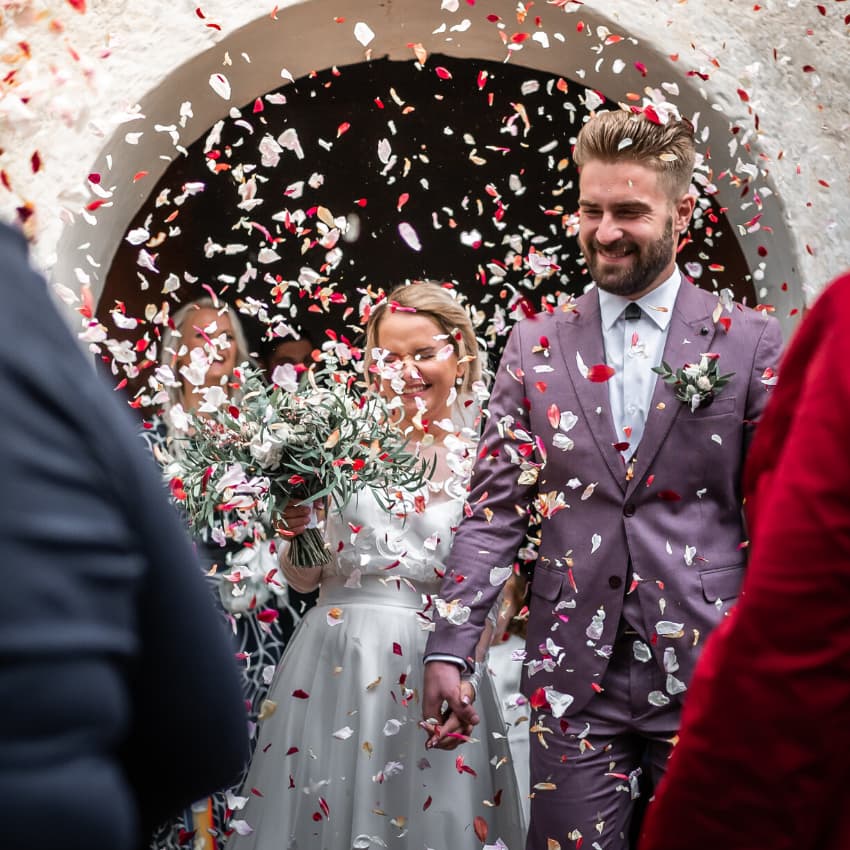
The tradition of throwing rice over the couple as they leave the ceremony was once believed to symbolise prosperity and good fortune. Over time, this practice has largely been replaced with more environmentally friendly alternatives.
Biodegradable confetti made from dried petals has become the most common choice at UK weddings. Bubbles, ribbon wands and natural flower petals are also popular options.
These alternatives still create a celebratory moment for guests while being easier for venues to manage afterwards.
Digital Invitations and Wedding Websites
Wedding invitations have evolved significantly with the rise of digital communication. Printed invitations remain popular, especially for formal weddings, though many couples now combine them with online tools.
Wedding websites have become particularly useful for sharing information with guests. Couples can include details about the venue, accommodation, travel arrangements, and the day’s schedule.
Online RSVP systems and digital guest lists simplify planning and keep guests informed if details change.
Smaller Guest Lists
Another noticeable change in recent years is the popularity of smaller weddings. Rather than inviting hundreds of guests, many couples now prefer a more intimate celebration with close friends and family.
Smaller gatherings often create a relaxed atmosphere that allows couples to spend more time with their guests. They also allow greater flexibility with venues and layouts.
Barn venues, gardens and marquee settings work particularly well for these smaller celebrations, offering couples the freedom to design a day that feels personal and welcoming.
Outdoor Wedding Ceremonies
Outdoor weddings have grown increasingly popular across the UK. Gardens, countryside estates and open marquee spaces allow couples to host ceremonies in natural surroundings.
Outdoor ceremonies often feature simple seating arrangements, rows of chairs or benches, floral arches, and views of the surrounding landscape. These settings create a relaxed environment that many couples find appealing.
While British weather can always be unpredictable, many venues now offer both indoor and outdoor options, allowing the ceremony to adapt if conditions change.
Sustainable Wedding Choices
Sustainability has become an important consideration for many couples planning their wedding. There is growing awareness of the environmental impact of large events.
Couples are increasingly choosing biodegradable confetti, seasonal flowers and reusable decorations. Digital invitations and locally sourced catering are also becoming more common.
Hiring furniture rather than purchasing items for a single event is another practical way couples reduce unnecessary waste while still creating a beautifully furnished venue.
Wedding Catering
The traditional wedding breakfast still forms part of many celebrations, though catering styles have become far more varied over time.
Couples are increasingly choosing relaxed dining experiences that encourage guests to move around and socialise. Popular options include sharing platters, grazing tables, and street-food-style catering.
Food vans and informal evening meals have also become a regular feature at modern weddings. These options allow couples to provide something memorable while keeping the atmosphere informal and sociable.
Wedding Cake Alternatives
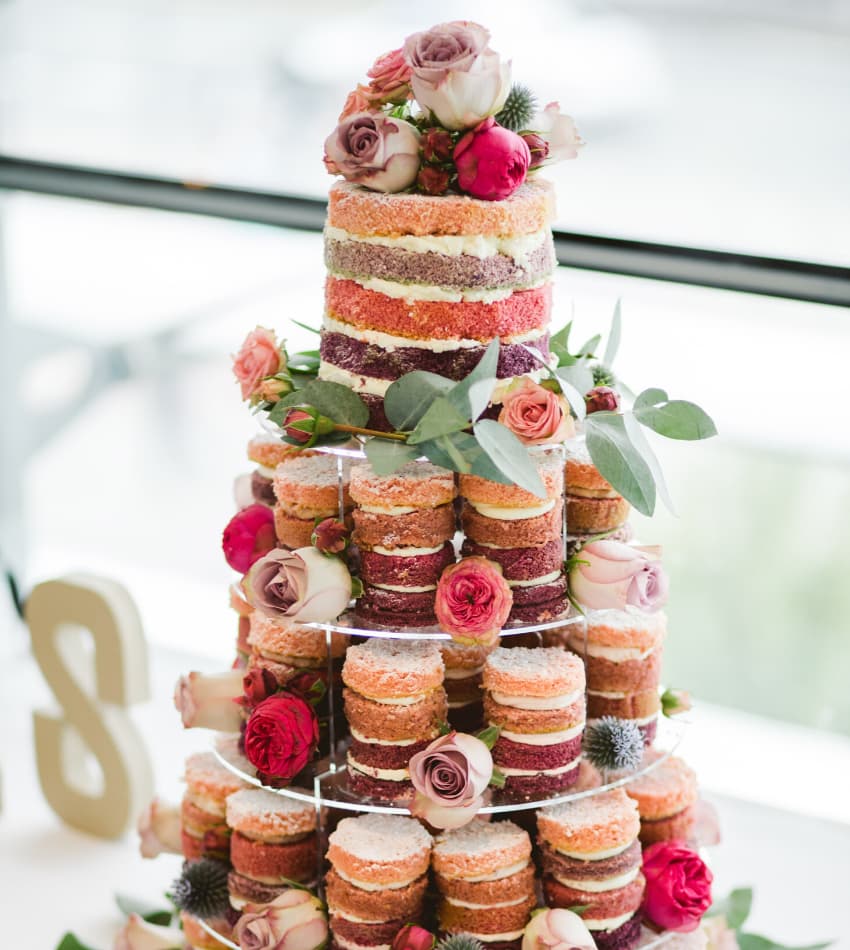
The classic tiered wedding cake remains a centrepiece for many receptions, though alternatives are becoming increasingly common.
Cupcake towers, doughnut walls and dessert tables are now regularly seen at weddings. Some couples even opt for pancake stacks or a selection of favourite desserts instead of a traditional cake.
These options provide variety for guests and often fit better with relaxed reception styles.
Same Sex Marriage Celebrations
The introduction of same sex marriage in the UK has naturally expanded the landscape of modern weddings. Couples now celebrate their unions in ways that reflect their personalities and relationships.
These weddings often blend traditional elements with contemporary styling, demonstrating how wedding celebrations evolve alongside society.
Wedding Furniture Hire From BE Event Hire
As wedding traditions evolve, the way venues are styled and furnished has adapted. Many weddings now combine formal dining spaces with relaxed seating areas, allowing guests to socialise throughout the day.
At BE Event Hire, we supply wedding furniture for venues across the UK, supporting couples, planners and venues with practical solutions for ceremonies and receptions of all sizes.
Furniture hire provides a simple way to furnish a venue without the difficulty of purchasing and storing items after the celebration. Whether the wedding follows long-standing traditions or embraces more modern ideas, the right furniture helps create a comfortable setting for guests throughout the day.
Related Articles
- Simple Rustic Wedding Ideas
- Wedding Planning Guide and Checklist
- Rustic Tables and Cross Back Chairs Wedding Hire
- Beautiful Winter Wedding with Ceremony & Reception in Church
- Cane Backed Louis Chairs are a Hit This Wedding Season
Prefer an AI Summary?