Running a business workshop is a brilliant way to connect with new customers, strengthen relationships and position your business as a trusted voice within your industry. Whether you run a wellness spa, creative agency, fitness studio or consultancy, workshops create opportunities for meaningful conversations that often lead to long-term business growth.
Hosting your first workshop can feel daunting. Concerns about attendance, public speaking or planning the right content are completely normal. The good news is that successful workshops rarely begin perfectly. They improve through experience, preparation and a willingness to start.
We cover practical workshop ideas and planning tips to help you organise a professional and engaging event from start to finish.
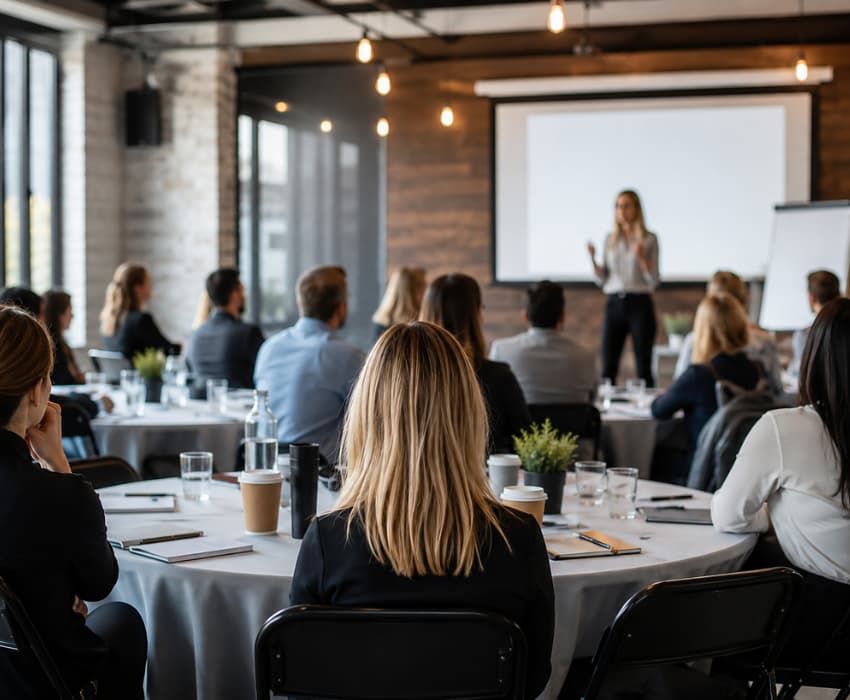
The Right Venue
The venue sets the tone for your workshop and shapes the overall experience for your guests. It does not need to be expensive or overly formal. In many cases, a welcoming and comfortable environment works far better than a huge corporate space.
If your own premises are too small, reach out to local businesses that share a similar audience. Many venues are open to hosting collaborative events, especially if it helps bring new visitors through their doors.
For example, a wellness spa hosting a Reiki workshop could approach:
- Healthy cafés
- Yoga studios
- Independent gyms
- Wellness clinics
- Beauty retailers
- Massage studios
- Community spaces
Smaller venues often work best for first-time workshops. A busy room with twenty attendees creates far more energy and interaction than a half-empty hall built for one hundred people.
When contacting potential venues, keep your message short and clear. Introduce your business, explain your workshop idea, and outline how the event could benefit both your customers and your own.
Your Workshop Layout
The layout of your workshop plays a huge part in guest comfort and interaction. Before the event, think carefully about the style of session you want to create.
Different room layouts suit different goals:
- Theatre style seating works well for presentations and guest speakers
- Cabaret layouts encourage collaboration and group discussion
- Classroom layouts suit training workshops and note-taking
- Boardroom layouts are ideal for smaller strategy sessions
It is also worth thinking about the flow of the room. Guests should be able to move comfortably between seating areas, refreshment stations and networking spaces without feeling cramped.
Designating breakout areas with poseur tables or informal seating can encourage conversation during breaks.
Event Furniture Essentials
Comfortable seating and practical table layouts make a huge difference to the success of any workshop. Guests need to feel relaxed and have enough space to take notes, interact and engage with the session.
Depending on your venue, you may need to hire additional furniture to create the right setup.
At BE Event Hire, we supply event furniture for workshops, conferences, training sessions and business events across the UK. From a handful of chairs for a small seminar to thousands of seats for major exhibitions, we help organisers create practical and professional event spaces.
Popular workshop furniture options include:
- Folding chairs for flexible seating layouts
- Trestle tables for presentations and networking
- Round tables for collaborative group sessions
- Poseur tables for breakout areas and refreshments
- Registration tables for guest check-in areas
Reliable delivery and collection allow you to focus on running your event smoothly.
Managing Guest Registration
Keeping track of registrations helps your workshop feel organised from the beginning. Even smaller events benefit from a simple booking process.
Online platforms such as Facebook Events or Eventbrite make it easy for attendees to register and receive updates before the event.
Useful registration tips include:
- Limiting attendee numbers based on venue capacity
- Sending reminder emails a few days before the event
- Creating waiting lists for fully booked sessions
- Including parking and arrival details in confirmations
- Collecting dietary and accessibility requirements in advance
Having a clear guest list also helps you plan seating, catering and workshop materials more accurately.
Planning Workshop Content
One of the biggest mistakes first-time hosts make is trying to pack too much information into a single session. Workshops work best when they focus on a few valuable ideas delivered clearly and confidently.
Aim to cover three to five useful takeaways that attendees can apply immediately after the event.
Your structure might include:
- A short introduction
- Core teaching points,/li>
- Real-life examples
- Group discussion
- Questions and answers
- Networking time
Keep your presentation flexible. Some of the most memorable moments happen naturally through audience interaction and conversation. Leave space for attendees to ask questions and share experiences.
Avoid sounding overly scripted. People connect far more with genuine personality and honest conversation than with a perfectly rehearsed presentation.
Building Confidence As A Speaker
Public speaking feels uncomfortable for many people, especially during a first workshop. Confidence usually develops through repetition rather than preparation alone.
Instead of aiming for perfection, focus on being helpful and approachable.
A few simple techniques can help calm nerves:
- Arrive early and familiarise yourself with the room
- Speak slowly and clearly
- Keep notes nearby for reassurance
- Maintain eye contact with attendees
- Pause naturally between points
Remember that your audience wants you to succeed. They are attending because they are interested in your knowledge and experience.
Mistakes are rarely as noticeable as they feel in the moment. Most guests will remember the value you provided rather than small imperfections in delivery.
Audio Visual Planning
Technology problems can quickly disrupt an otherwise organised workshop. Testing your equipment before guests arrive helps avoid unnecessary stress during the event.
Depending on your workshop, you may need:
- A projector or presentation screen
- Microphones for larger spaces
- Speakers for video or audio content
- Extension leads and charging points
- Reliable WiFi access
It is always wise to arrive early and test all equipment before attendees enter the room.
If possible, keep printed copies of important materials available as a backup in case of technical issues.
Marketing Your Workshop
Even the best workshop needs proper promotion to attract attendees. Marketing should begin several weeks before the event, wherever possible.
You do not need a huge social media following to generate interest. Start with your existing network and build momentum gradually.
Useful promotional methods include:
- Social media posts
- Local Facebook groups
- Email newsletters
- Printed posters
- Business partnerships
- Community noticeboards
- LinkedIn updates
Create a simple event graphic with the workshop title, venue, date and booking details. Consistent branding across your marketing materials helps your event appear more professional and trustworthy.
Setting up an online booking page through platforms such as Eventbrite or Facebook Events also makes registration much easier for attendees.
Refreshments and Guest Comfort
Small details often have the biggest impact on the attendee experience. Comfortable guests are more likely to stay engaged throughout the session.
Simple refreshments such as tea, coffee and light snacks can create a far more welcoming atmosphere.
You should also think about:
- Heating and ventilation
- Accessible facilities
- Nearby parking
- Public transport links
- Toilet access
- Comfortable seating arrangements
Scheduling short breaks throughout the workshop also gives guests time to refresh and network naturally.
Encouraging Networking
Many attendees value the networking opportunities just as much as the workshop content itself. Creating opportunities for conversation helps guests feel more connected to the event.
You can encourage interaction through:
- Icebreaker activities
- Group exercises
- Informal seating areas
- Dedicated networking breaks
- Post-event refreshments
Networking spaces with poseur tables or smaller breakout seating areas help conversations flow more naturally than formal rows of chairs alone.
Creating a Professional Experience
A professional presentation helps your workshop feel organised and trustworthy, even if it is a smaller local event.
Simple touches can elevate the overall experience:
- Welcome signage
- Printed agendas
- Name badges
- Branded worksheets
- Presentation slides
- Registration desks
Consistent branding across your materials reinforces your business identity and leaves a stronger impression on attendees.
Growing Business Opportunities
Workshops can naturally lead to new enquiries, bookings and business relationships without feeling overly sales-focused.
Rather than delivering a direct sales pitch, focus on demonstrating your expertise through useful advice and genuine interaction.
Mention your services naturally during relevant discussions and provide clear opportunities for attendees to contact you afterwards.
Collecting email addresses allows you to continue the conversation after the workshop ends. A simple sign-up sheet or tablet registration form works well.
Following up after the event with a thank-you email, additional resources, or answers to unanswered questions helps strengthen trust and keeps your business front of mind.
Following Up After The Event
The relationship with attendees should continue after the workshop finishes. Following up professionally can lead to future bookings, referrals and returning guests.
Useful follow-up ideas include:
- Thank you emails
- Feedback surveys
- Sharing presentation materials
- Posting event photos on social media
- Inviting attendees to future events
- Sending additional resources
Feedback from attendees can also help improve future workshops and highlight areas that worked particularly well.
Learning From Your First Event
Your first workshop will teach you valuable lessons that no amount of preparation can provide. Every event gives you a clearer understanding of timing, audience interaction and organisation.
After the workshop, take time to review:
- Attendance numbers
- Audience feedback
- Questions asked
- Content engagement
- Timing
- Venue suitability
Use this feedback to improve future events and refine your approach.
Most importantly, do not wait for everything to feel perfect before getting started. Taking the first step is often the hardest part.
Workshop Furniture at BE Event Hire
Professional workshops rely on practical, reliable event setups that help guests feel comfortable and engaged throughout the day.
We supply event furniture hire for business workshops, conferences, exhibitions and corporate events nationwide. Whether you need a small number of tables and chairs for a training session or full event furniture for a major business function, our team can help.
With nationwide delivery available seven days a week, we support events of every size across the UK.
Related Articles
- Corporate Event Planning Tips & Ideas
- Handling Last Minute Guest Increases at Events
- Exhibition Organiser’s Checklist
- 11 Steps to Ensure People Sign Up and Attend Your Event
- Important Event Venue Contracts Questions You Should Be Asking
Prefer an AI Summary?