Trade shows and exhibitions remain among the most effective ways to connect with your target audience, strengthen brand presence, and build valuable relationships.
They offer the opportunity to meet existing customers face-to-face while introducing your business to new prospects. Alongside this, exhibitions provide insight into competitors, industry trends and customer expectations.
However, successful exhibiting does not happen by chance. It requires careful planning, clear objectives and attention to detail. A structured checklist helps keep everything organised and ensures nothing is overlooked.
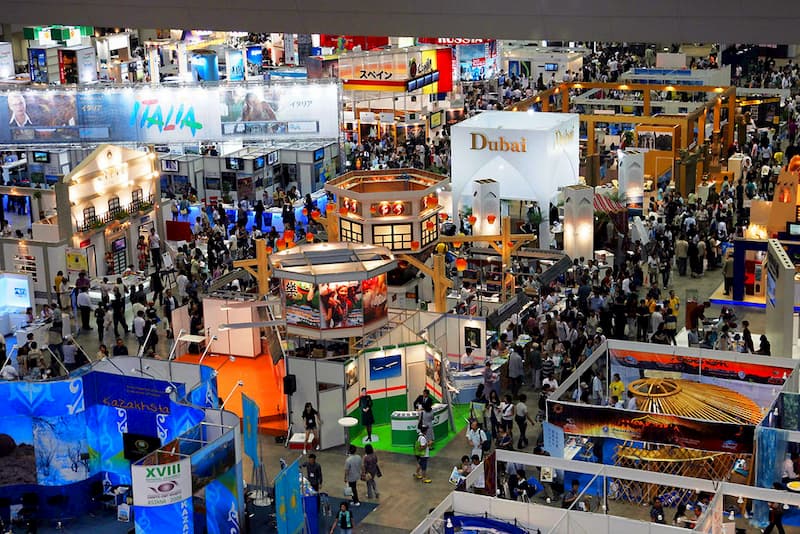
Choosing The Right Exhibition
Not every exhibition will be the right fit for your business. Selecting the most suitable event is one of the most important decisions you will make.
When comparing options, focus on:
- The reputation and longevity of the exhibition
- The target audience and whether it aligns with your business
- The level of marketing and expected attendance
- The presence of competitors and industry leaders
To make a more informed decision, also weigh practical factors such as:
- Expected visitor numbers compared to the cost of exhibiting
- Quality of attendees rather than overall footfall
- Opportunities for speaking, sponsorship or brand exposure
- Location and travel requirements for your team
Choosing carefully helps maximise return on investment and ensures your efforts are directed at the right audience.
Stand Location and Positioning
Your stand location can influence the level of traffic you receive throughout the event.
High footfall areas are typically:
- Near entrances and exits
- Close to main walkways
- At the end of aisles
- Corner positions with visibility from multiple angles
It is also helpful to understand visitor behaviour. Many attendees naturally move towards central aisles and often turn in a consistent direction when entering a hall. While quieter areas may receive less passing traffic, they can work well for more focused conversations and meetings.
Review the event floor plan in detail before booking, and consider how people are likely to move through the space.
Pre-Event Planning
Preparation should begin several months in advance to allow enough time for design, logistics and coordination.
Budget
Setting a clear budget helps keep your planning focused and avoids unexpected costs.
Typical exhibition expenses include:
- Stand space and design
- Graphics and branding materials
- Furniture hire or purchase
- Power supply and internet access
- Equipment such as screens or displays
- Catering for staff and visitors
- Travel and accommodation
- Marketing and promotional materials
To manage your budget effectively:
- Set aside a contingency for unexpected costs
- Compare hire versus purchase for items like furniture and equipment
- Track spending throughout the planning process
This approach helps you stay in control while still delivering a quality stand.
Team Roles
A successful exhibition relies on an organised team.
Assign responsibilities based on strengths and experience. This might include:
- Stand management
- Lead capture and customer engagement
- Product demonstrations
- Logistics and setup
- Budget tracking
Regular updates help ensure everyone stays aligned and prepared.
Clear Objectives
Before the event, define your goals.
These may include:
- Generating new leads
- Promoting a product or service
- Building brand awareness
- Strengthening relationships with existing clients
Clear objectives provide direction and help you measure success more effectively.
Stand Design and Visitor Experience
Your stand is your physical presence at the exhibition, so it needs to be inviting, functional and aligned with your brand.
To improve engagement:
- Keep the layout open and easy to approach
- Avoid clutter and keep messaging clear
- Use height, lighting and structure to draw attention
- Create space for conversations and demonstrations
- Offer comfortable seating where appropriate
Giving visitors a clear reason to stop, whether through a display, an activity, or a conversation, can significantly improve interaction.
Managing Your Stand
Planning how your stand will operate day-to-day helps create a smoother experience.
Consider:
- Staff rotation and breaks
- Peak times and visitor flow
- Whether team members should move around the venue
- Space for private conversations or meetings
- Roles during busy periods
Staff behaviour also plays a major role in success. Encourage your team to be approachable, avoid standing in closed groups and engage visitors naturally. Consistent messaging across the team helps reinforce your brand.
Lead Capture and Data Collection
Capturing visitor information is essential for turning conversations into future business.
There are several effective approaches:
- Digital lead capture tools or event apps
- QR codes linked to simple forms
- Badge scanning where available
- Manual note-taking for more detailed conversations
It is important to qualify leads where possible by identifying interest level and potential value. Organising this data clearly will make follow-up more effective after the event.
Marketing Before, During, and After
Marketing plays a major role in attracting visitors and maintaining engagement.
Before
Build awareness early using:
- Email campaigns
- Social media updates
- Industry publications
- Event listings
Set clear targets for engagement, such as meeting bookings or stand visits, to measure effectiveness.
During
Maintain visibility and engagement through:
- Live social media updates
- Photos and videos from your stand
- Competitions or giveaways
- Clear and engaging messaging
Tracking activity during the event can help you adjust your approach if needed.
After
Follow up promptly to maintain momentum.
- Contact leads while your brand is still fresh in their mind
- Thank existing customers for visiting
- Share event highlights and content online
- Continue conversations started at the event
A timely and personal follow-up can significantly improve conversion rates.
Post Exhibition Review
After the event, take time to evaluate performance with your team.
Discuss:
- Successes and areas for improvement
- Whether objectives were achieved
- Effectiveness of marketing efforts
- Visitor engagement levels
- Budget performance
It is also useful to measure:
- Cost per lead
- Overall return on investment
- Quality of leads generated
Reviewing each event helps refine your approach and improve future exhibitions.
Exhibition Furniture from BE Event Hire
The layout and furniture on your stand play a role in how visitors experience your space.
At BE Event Hire, we supply a wide range of exhibition furniture across the UK, helping businesses create practical and welcoming stands that encourage engagement.
Our range includes:
- Tables for displays, demonstrations and meetings
- Chairs for informal seating and discussions
- Poseur tables for networking and quick conversations
- Lounge furniture for more relaxed environments
The right exhibition furniture supports visitor flow, improves comfort and creates spaces where conversations can happen naturally. Flexible hire options allow you to adapt your setup to suit different stand sizes and layouts.
Whether you are exhibiting at a major trade show or a smaller industry event, our team can support you with reliable furniture hire and practical advice.
Related Articles
- Exhibition Furniture Hire
- Plan Event Furniture Layouts For Large Events
- Attending Your First Exhibition
- Exploring UK Comic Cons and Pop Culture Exhibitions
- Exhibition Stands and Exhibition Panels Hire
Prefer an AI Summary?