Marketing an event in 2026 requires more than simply posting a link and hoping for the best. Audiences are selective, attention spans are short, and competition for diary space is intense. Effective event marketing now combines digital strategy, creative thinking and practical planning that supports the attendee journey from first exposure through to arrival on the day.
Whether you are organising a conference, exhibition, fundraiser, corporate event or public gathering, strong marketing ensures your event is visible, credible and compelling enough for people to commit to it.
Event Marketing In 2026
Event marketing is no longer a short burst of promotion close to the event date. Successful campaigns now start earlier and build steadily.
In 2026, organisers benefit from combining online promotion with real-world visibility. Digital channels drive awareness and registration, while physical presence, branding and experience reinforce trust. Marketing decisions should always be made with the whole event experience in mind, not just ticket sales.
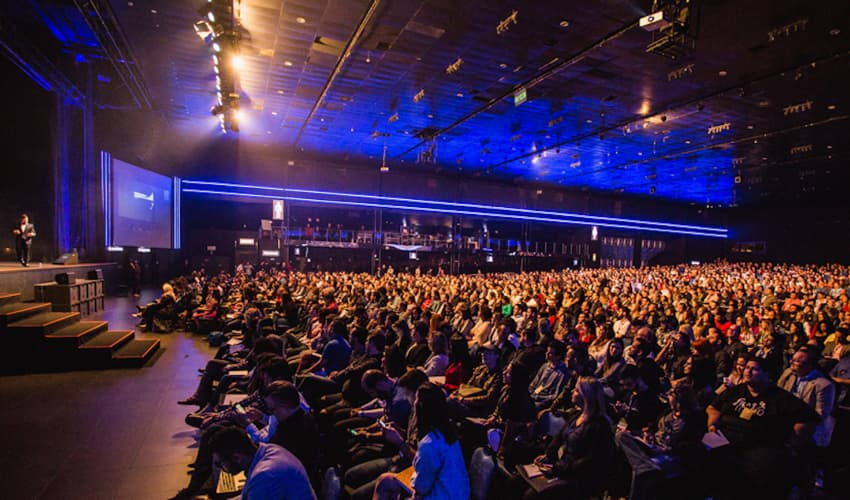
Defining Your Event Audience
Before any marketing activity begins, it is essential to define precisely who the event is for. This affects messaging, platform choice and promotional timing.
Use previous attendee data, mailing lists, and registration insights to identify patterns, such as job roles, interests, or locations. If this is a new event, look at similar events and identify the audience they attract. Clear audience definition prevents wasted spend and unfocused promotion.
Clear Event Messaging and Positioning
Your event messaging should clearly and quickly explain the value. Attendees want to know what they will gain by attending and why it is worth their time.
Focus on outcomes rather than features. Instead of listing sessions or speakers alone, explain the benefits such as networking opportunities, learning outcomes or exclusive access. Keep messaging consistent across all platforms to build recognition and trust.
Event Websites and Landing Pages
A dedicated event page should act as the single source of truth. It must clearly show dates, location, timings, pricing and registration details.
Design with mobile users in mind. Keep forms short, calls to action clear, and navigation simple. Include social proof where possible, such as testimonials from previous events or early registration numbers, to build confidence.
Email Marketing Campaigns
Email remains one of the strongest channels for event promotion when appropriately used. The most effective campaigns are segmented rather than sent to everyone at once.
Create separate messaging for previous attendees, new prospects and partners. Use automated email sequences to support early booking offers, reminder messages and final instructions. Avoid sending too many emails at once, and focus on relevance rather than volume.
Content Marketing
Search-driven content helps attract people actively looking for events or related topics. Blog posts, guides and industry commentary support long-term visibility rather than one-off promotion.
Optimise content for local and industry-specific search terms. Reuse this content across email and social channels to maintain consistency while reducing workload.
Social Media Marketing
Not every platform suits every event. Choose channels based on where your audience already spends time.
Create a content schedule that includes announcements, behind-the-scenes updates, and reminders. Use paid promotion selectively to boost essential posts, such as early bird deadlines or speaker announcements. Track engagement and adjust posting frequency based on performance.
Short Form Video and Visual Content
Visual content performs strongly in 2026, particularly short-form video. Clips showing venue setup, previous events or featured speakers help potential attendees visualise the experience.
Videos do not need high production value. Authentic footage often performs better than polished content. Keep clips short and focused on one message at a time.
Influencer and Partner Promotion
Partners, sponsors and speakers are valuable marketing channels. Provide them with ready-to-use assets, such as images, captions, and links, to make sharing easy.
Agree on promotion timelines in advance so messaging aligns with your wider campaign. This shared promotion extends reach while maintaining credibility.
Event Listing Platforms
List your event on relevant industry and local directories. Choose platforms that attract people already looking for events similar to yours.
Ensure listings are accurate and consistent across all platforms. Conflicting information reduces trust and increases drop off.
Community and Local Marketing
Local marketing remains effective for many events. Community groups, trade bodies and business networks often provide highly targeted exposure.
Engage with these groups early and provide precise event details they can share. Combining local promotion with digital marketing improves reach without relying on a single channel.
Experiential Marketing
Creative offline activity can help events stand out in crowded markets. This might include pop-up displays, branded installations or interactive moments in relevant locations.
Always link offline activity back to online registration using QR codes or short URLs. Creativity should support conversion, not exist in isolation.
Referral Campaigns
Encouraging attendees to share with peers remains highly effective. Simple referral incentives such as discounts or added benefits can prompt action.
Make sharing easy by including links in confirmation emails and social posts. People are more likely to promote events they already feel invested in.
Promotions and Giveaways
Giveaways create urgency and engagement when used strategically. Offer limited quantity incentives rather than ongoing discounts to protect perceived value.
Clearly communicate entry requirements and deadlines. Tie giveaways to actions that support visibility, such as sharing or mailing list sign-ups.
Podcast and Audio Promotion
Audio content allows for deeper discussion and trust building. Guest appearances on relevant podcasts position the event within industry conversations.
Focus on providing value rather than overt promotion. Mention the event naturally within the discussion to maintain credibility.
Paid Advertising Beyond Social
Search advertising reaches high-intent audiences actively seeking events. Retargeting ads help re-engage visitors to your event page who did not register.
Set clear budgets and monitor performance regularly. Pause underperforming ads and reallocate spend to stronger channels.
Event Registration As a Marketing Tool
The registration experience directly affects conversion. Keep forms simple, mobile-friendly and fast to complete.
Clear pricing, visible availability and confirmation messaging reassure attendees and reduce hesitation. A poor registration experience can undermine even strong marketing.
Data Driven Marketing Decisions
Track performance throughout the campaign rather than waiting until the event ends. Monitor which channels drive registrations and which messages perform best.
Use this data to adjust spend, refine messaging and prioritise effort where results are strongest.
Onsite Experience
Marketing promises must be supported onsite. First impressions on arrival influence how attendees perceive the event as a whole.
Clear signage, organised layouts, and appropriate event furniture contribute to a professional atmosphere that reflects the quality previously promoted.
Post Event Marketing
After the event, share photos, highlights and key moments while interest is still high. This content supports future promotion and reinforces brand credibility.
Follow-up emails should thank attendees and invite them to stay connected for future events.
Results and Improving
Review performance across all channels and compare results against objectives. Identify which tactics delivered registrations and which underperformed.
Use feedback and data to refine future campaigns, improving efficiency and results over time.
Building Momentum For Event Success
Effective event marketing in 2026 is about building momentum rather than chasing attention at the last minute. Clear messaging, consistent promotion and a smooth registration experience work together to guide attendees from awareness to arrival.
When marketing strategy aligns with the onsite experience, events feel organised, engaging and worthwhile. With the proper planning in place, event marketing becomes a structured process that supports confident attendance and successful delivery.
Related Articles
- Pop Up Events Guide
- Ultimate Event Planning Guide and Checklists
- Taking Your Event Registration Online in 2026
- Making a Large Events Venue Feel Smaller & Intimate
- Crowd Control for Events: Planning, Safety and Hire Solutions
Prefer an AI Summary?